
A Fundamental Test for Eye Conditions
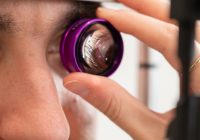
The slit lamp examination is one of the most effective and commonly used diagnostic methods for evaluating eye health. By utilizing a specialized microscope combined with a bright light source, the ophthalmologist can examine the various structures of the eye in great detail, allowing for the detection of numerous pathological conditions.
Diagnostic Capabilities of the Slit Lamp
This examination is ideal for diagnosing a wide range of ocular conditions, including:
- Conjunctivitis: An inflammation of the conjunctiva that can cause redness, irritation, and watery discharge.
- Keratitis: Inflammation of the cornea, which may result in pain, blurred vision, and redness.
- Elevated Intraocular Pressure: Measuring the internal pressure of the eye is crucial for the diagnosis of glaucoma.
- Cataracts: The slit lamp allows for an accurate assessment of lens opacity, a key characteristic of cataracts.
- Eyelid Disorders: It helps detect inflammation or other conditions affecting the eyelids, such as blepharitis.
- General Ocular Pathologies: The slit lamp is used to identify a range of disorders affecting the eye and surrounding areas.
Examination Procedure
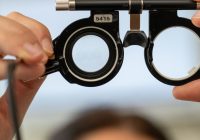
During the examination, the patient is seated in a special examination chair and rests their face against the chin and forehead support of the slit lamp. This positioning allows the doctor to obtain a stable and magnified view of the eye structures for detailed inspection.
The patient usually experiences no pain or significant discomfort, and the procedure is typically quick and straightforward.
Using the microscope and focused beam of light, the ophthalmologist inspects all parts of the eye, including the cornea, lens, retina, conjunctiva, and other vital areas, checking for any abnormalities or signs of disease.
The slit lamp examination is a safe, painless, and non-invasive procedure that gives the ophthalmologist valuable insight into the condition of the eye. It plays a critical role in both diagnosing and monitoring a wide range of eye diseases, and is considered essential in routine eye health assessments.