
Management of Posterior Capsular Opacification and Angle-Closure Glaucoma
YAG laser treatment is a modern and effective method used to treat posterior capsular opacification (secondary cataract) and angle-closure glaucoma. With the use of a specialized laser device, the ophthalmologist can restore normal vision in a quick and painless way.
Posterior Capsular Opacification
Posterior capsular opacification, also known as a “secondary cataract,” can develop after cataract surgery. In such cases, the laser is used to create a small opening in the clouded lens capsule, which interferes with vision. This procedure restores the clarity of the visual axis, allowing the patient to regain clear vision.
Angle-Closure Glaucoma
In angle-closure glaucoma, intraocular pressure increases due to blockage in the drainage pathway of the aqueous humor. The laser is used to create a small opening in the iris of the eye. This allows fluid to flow more freely, relieving or preventing elevated pressure, and helps protect the optic nerve from damage.
Procedure and Benefits
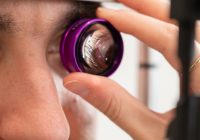
During the procedure, the patient places their face into a laser device—similar to a slit-lamp examination—and the doctor uses the laser with precision to perform the necessary intervention. The procedure is painless, takes only a few minutes, and typically requires no recovery time. Patients can return to their normal activities immediately afterward.
Laser treatment is a highly effective and safe method for managing these conditions, offering rapid relief and improvement in vision without the need for additional surgery or extended recovery periods.